Documents
|
Handout overview for the Flexo Press Configurations lesson.
|
|
|
|
A brief introduction to print screen rulings and the basics of how images are printed.
|
|
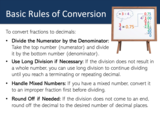
Start with these basic rules for converting fractions to decimals.
|
|
Learn why the cell depth to cell opening ratio is important and how it influences ink transfer.
|
|
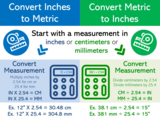
This graphic shows a quick overview of how to convert inches to centimeters or millimeters and vice versa.
|
|
This example reviews the steps for converting a fraction to a decimal. This is useful when comparing measurements.
|
|
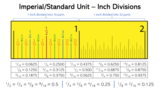
The inch unit of measure can be broken down to smaller units or fractions of an inch. An inch is commonly divided into 8ths, 16ths, or 32nds. This chart shows the common segments of an inch as both a fraction of an inch and converted into the decimal value equivalent.
|
|
Basic guide to the different types of splicing tapes by Elite Tapes.
|
|
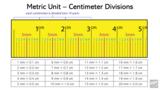
The centimeter unit of measure can be broken down into smaller units called millimeters. There are always 10 millimeters in 1 centimeter. This chart shows the common segments of a centimeter and the millimeter and centimeter equivalent values.
|